How to Choose a Dog-Friendly Hiking Trail Before You Leave Home
Distance is only one part of trail difficulty. Check access rules, elevation, exposure, surfaces, water, wildlife, crowds, and the return route before hiking with your dog.
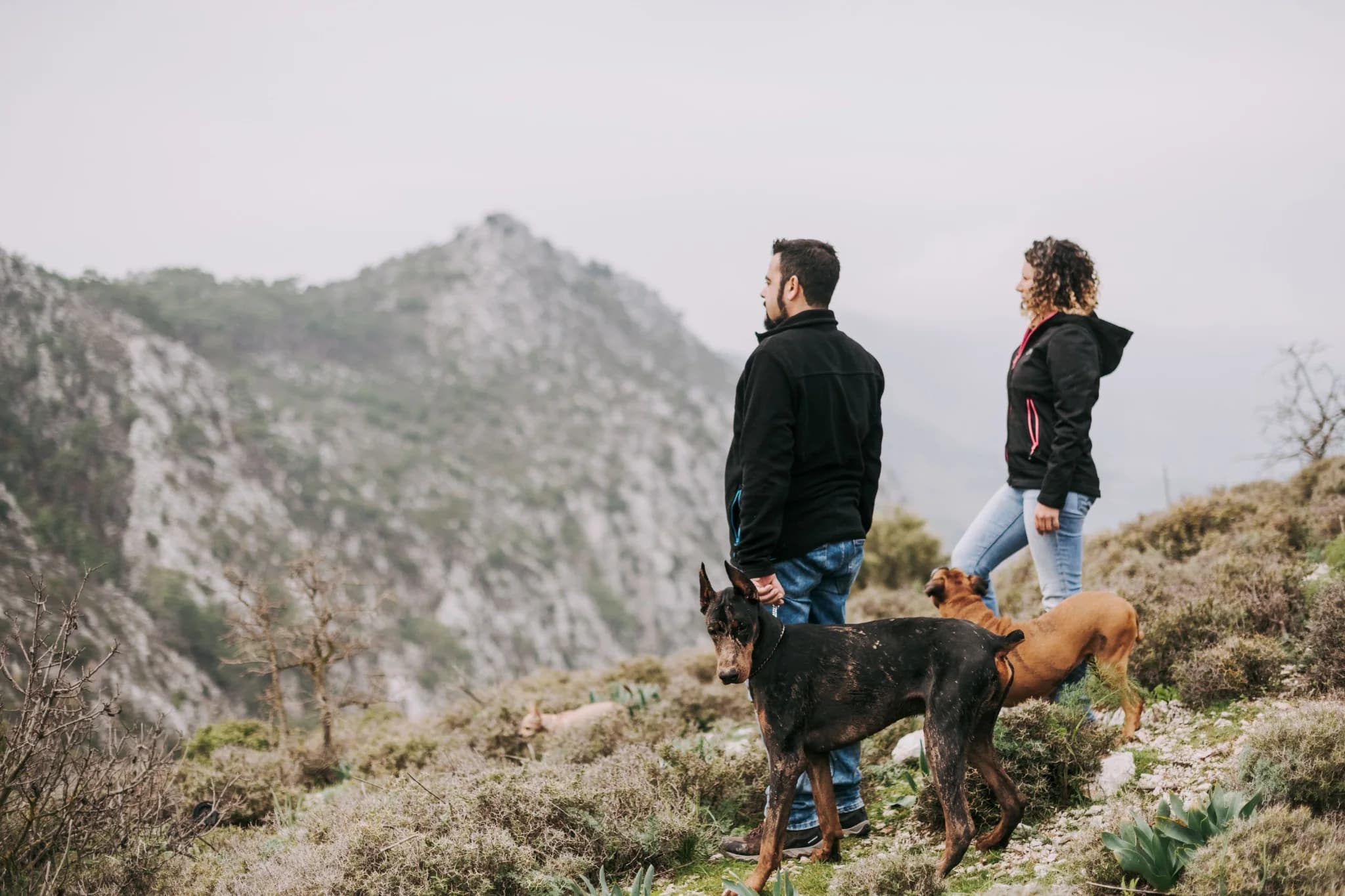
A trail can have five-star reviews and still be a poor choice for your dog.
The useful question is not "Is this a good hike?" It is "Is this a good hike for this dog, in these conditions, today?"
Confirm dogs are actually allowed
Start with the official park, municipality, conservation authority, or land manager rather than relying only on an old blog post or map comment. Rules can differ between trails in the same park and can change with seasons, wildlife activity, or restoration work.
Check leash requirements as part of the route decision, not after you arrive.
Look beyond distance
A short route with steep climbing, loose rock, ladders, hot exposure, deep snow, or difficult water crossings can be much harder than a longer flat trail.
Compare:
- Total distance
- Elevation gain and steepness
- Surface and paw conditions
- Shade and sun exposure
- Water availability
- Technical obstacles
- Wildlife activity
- Expected crowds and dogs
- Bailout points or shortcuts
Match the route to recent fitness
Use what your dog has comfortably done recently, not what you hope they can do. If ordinary walks are short and flat, choose a first trail that is a modest step up rather than a dramatic test.
Think about the way back
An out-and-back route may climb on the return. A loop can hide difficult terrain late in the day. Heat and fatigue may also be higher several hours after you start.
Read the route in both directions.
Check the weather and recent conditions
Rain can turn ordinary terrain into mud or fast water. Heat can make an exposed trail inappropriate. Smoke, snow, ice, wind, and seasonal wildlife closures can all change the answer.
Have a simple turnaround rule
Decide in advance that repeated stopping, sore paws, rising heat, worsening weather, or a major change in your dog's movement means the route gets shorter.
The best dog-friendly trail is not the most impressive one. It is the one that gives you enough margin to enjoy the day and get home comfortably.
Research & further reading
Sources behind this explainer
Keep exploring